The ceasefire between the United States and Iran is one week old today. It has one week left.
Negotiations in Islamabad entered their fifth day on Wednesday, with Vice President JD Vance leading the American delegation and Iranian Parliament Speaker Mohammad Bagher Ghalibaf heading a seventy-one-member Iranian team, NPR reported. These are the first direct, face-to-face negotiations between Washington and Tehran since the founding of the Islamic Republic in 1979. Three issues have dominated the table since Saturday: the Strait of Hormuz, Iran’s stockpile of enriched uranium, and Israel’s continuing offensive in Lebanon. Iran says the Israeli strikes violate the truce. The United States says Lebanon was never part of it. Pakistan, which brokered the ceasefire, says it was, according to NBC News. The agreement expires April 22.
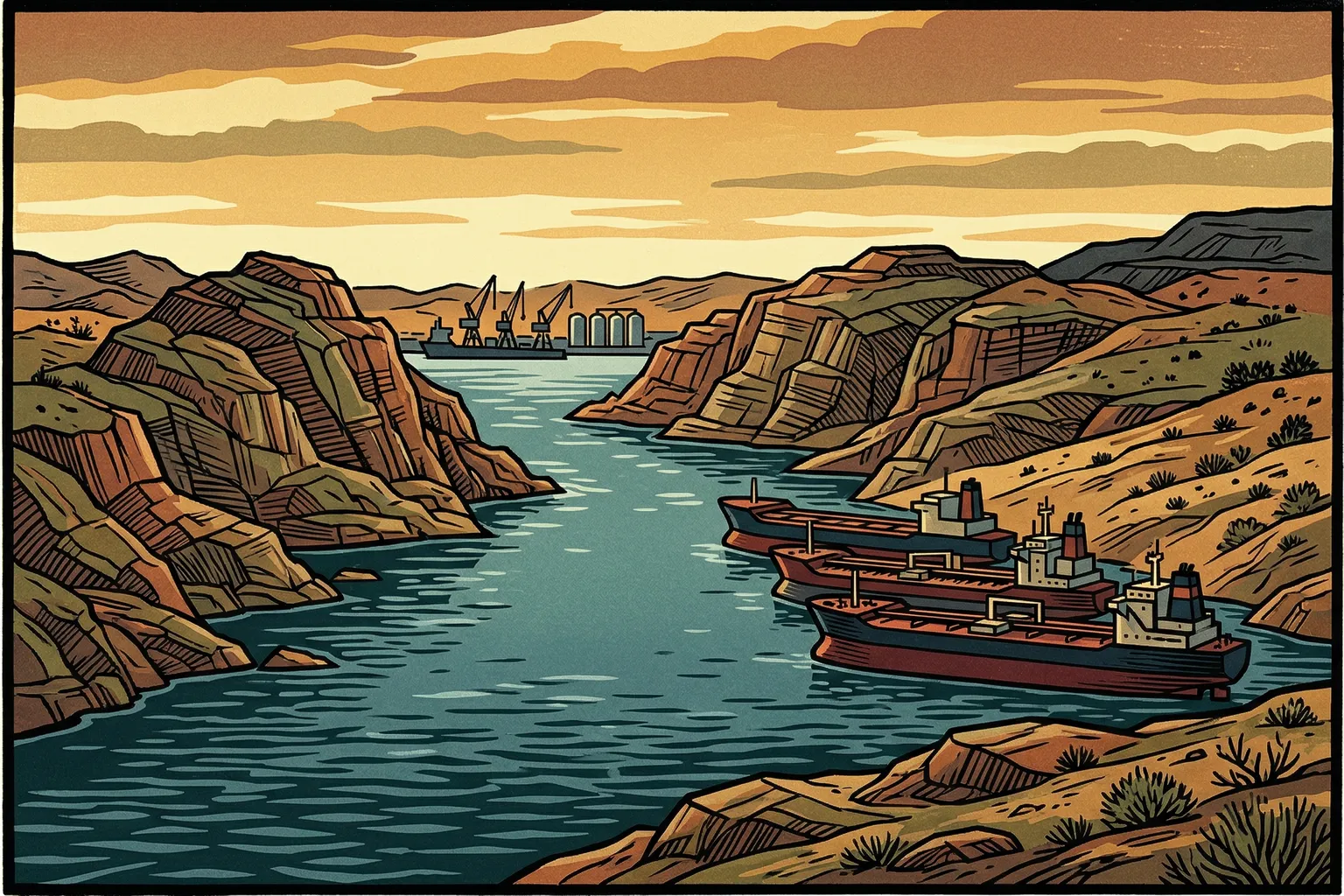
The Strait of Hormuz, through which roughly 20 percent of the world’s oil normally passes, remains effectively closed. Abu Dhabi National Oil Company CEO Sultan Al Jaber said this week that the strait “is not open,” despite ceasefire terms calling for immediate and unrestricted passage, CNBC reported. Iran has limited the number of vessels permitted to cross and is charging tolls exceeding one million dollars per ship, according to NBC News. Shipping volume through the strait has dropped more than 90 percent since Iran closed it in March.
Before departing for Pakistan, Vance told reporters he expected the talks to be “positive” but warned Tehran: “If they’re going to try to play us, then they’re going to find that the negotiating team is not that receptive,” NBC News reported. Among Iran’s stated demands: full sovereignty over the strait, release of six billion dollars in frozen assets, war reparations, and a durable ceasefire across the entire region, according to Al Jazeera.
On January 19, 1981, the United States and Iran signed the Algiers Accords, mediated by Algeria, to end the 444-day hostage crisis. The accords unfroze $7.9 billion in Iranian assets and secured the release of fifty-two American hostages, who left Tehran the following day, minutes after Ronald Reagan took the oath of office. Deputy Secretary of State Warren Christopher led the American side. The talks took months. Those were the last direct negotiations of consequence between Washington and Tehran before this week. Forty-five years later, in a different country with a different mediator, the structure is recognizable: frozen assets on the table, a deadline approaching, and the question of whether two governments can agree on what the deal actually covers.
The war arrives daily at the gas station, and today it arrived on Tax Day. The national average for a gallon of regular gasoline rose to $4.16 this week, up eight cents from last week and more than a dollar higher than when the conflict began in early March, according to the Energy Information Administration. Brent crude was trading near $97 per barrel as of last Thursday, Fortune reported. The EIA forecasts retail gasoline prices will peak at a monthly average close to $4.30 per gallon this month. Diesel is expected to exceed $5.80, according to the EIA’s April outlook.
Crude oil and petroleum product prices increased sharply during the first quarter of 2026, the EIA reported. Brent crude is up more than 49 percent from a year ago. Before the war began, the EIA had projected that crude prices would decline modestly through the year. That projection belongs to a different world.
When the Arab states imposed their oil embargo in October 1973, the price of crude went from three dollars a barrel to twelve in five months. When the Iranian Revolution disrupted production in 1979, prices doubled again. The mechanism this time isn’t an embargo or a revolution. It’s a waterway that Iran can open at any time and hasn’t.
Today is Tax Day. The Internal Revenue Service expects approximately 164 million individual income tax returns for tax year 2025, the IRS announced.
This is the first filing season under the tax provisions of the One, Big, Beautiful Bill. Taxpayers are using the new Schedule 1-A to claim recently enacted deductions: no federal income tax on tips, no tax on qualified overtime pay up to $12,500 for individual filers, no tax on car loan interest, and an enhanced deduction for taxpayers sixty-five and older, according to the IRS. For workers who earn overtime, the deduction covers the premium portion of time-and-a-half compensation required under the Fair Labor Standards Act, the IRS confirmed.
The IRS opened the 2026 filing season on January 26, according to the IRS. Most taxpayers who file electronically and choose direct deposit receive their refund within twenty-one days. Those who can’t file by today can request an automatic extension, but an extension to file is not an extension to pay, the IRS noted. Any tax owed is still due today.
April 15 became the federal tax deadline in 1955, when the Internal Revenue Code of 1954 moved it from March 15. Congress said taxpayers needed more time to prepare their returns. Seventy-one years later, the deadline hasn’t moved, and the forms have gotten longer.
The story that deserves more attention than it’s getting: at least 990 people have died trying to cross the Mediterranean Sea since January 1, the International Organization for Migration reported. Over 180 were reported dead or missing in a ten-day span ending April 7.
In the Central Mediterranean alone, 765 people have died this year, an increase of more than 150 percent over the same period in 2025, according to IOM. Here is the number that doesn’t match: arrivals in Italy are down. About 6,200 people have reached Italian shores so far this year, compared with 9,400 at the same point last year, IOM reported. Fewer people are attempting the crossing. More of them are dying. The routes haven’t changed. The conditions on the routes have. IOM Director General Amy Pope said search and rescue capacity “remains insufficient” and called for expanded legal migration pathways to reduce reliance on dangerous crossings, Al Jazeera reported.
In 2016, the deadliest year on record for the Mediterranean, more than 5,000 people drowned. The 2026 total, through barely three and a half months, is already approaching a fifth of that.
And this: ten percent of the world’s ocean is now officially protected.
The International Union for Conservation of Nature announced on April 1 that 10.01 percent of the global ocean is designated within protected and conserved areas, according to IUCN. In the past two years, roughly five million square kilometers have been added, an area larger than the European Union, UNEP-WCMC confirmed. The largest single addition was Tainui Atea in French Polynesia, designated in 2025, which at 4.5 million square kilometers is now the world’s largest marine protected area.
Countries agreed to the ten percent target in 2010 under the Aichi Biodiversity Targets. The deadline was 2020. They hit it in 2026, six years late. The next goal, set at the UN Biodiversity Conference in 2022, is 30 percent by 2030. In international waters, which make up more than 60 percent of the ocean’s surface, protected coverage stands at 1.66 percent, according to IUCN. The math from here is harder than the math to get here.
Six years late. The number moved in the right direction. That’s the day.