Dear Lorraine,
My friend Donna and I have known each other for thirty-two years. We met when our kids were in preschool together. We got each other through two divorces (one each), breast cancer (hers), and the year my son was in rehab. She is the person I called first for everything.
I don’t know when it changed. It wasn’t one thing. Over the past five or six years she has become someone I don’t recognize. Different values. Different way of talking about people. She says things now that the Donna I knew in 1994 would never have said. We don’t talk about it because the one time I tried, she told me I was being judgmental, and we didn’t speak for three weeks.
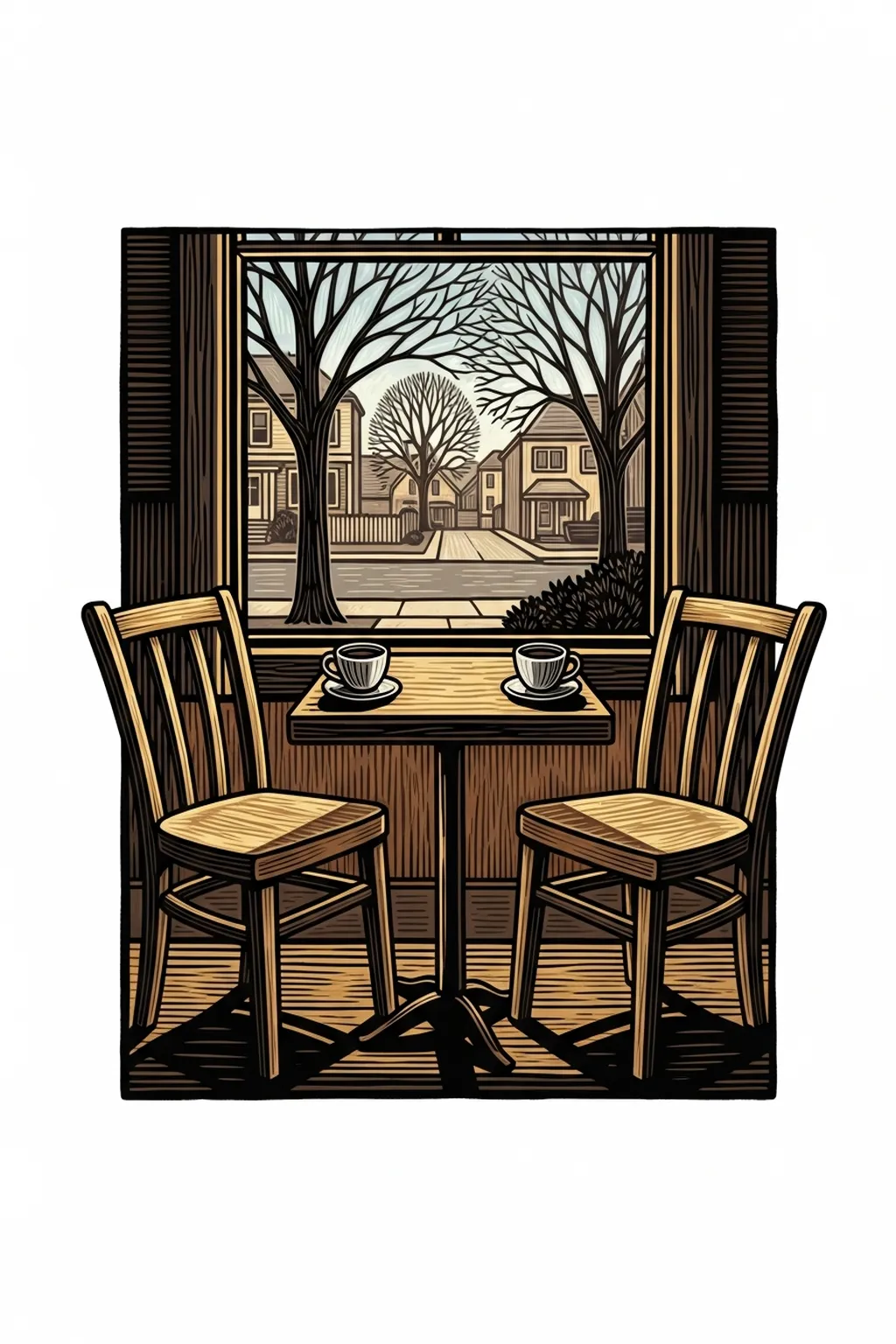
We still have lunch once a month. We talk about our grandchildren and the weather and nothing that matters. I sit across from her and miss her while she’s right there.
How do you grieve someone who is still alive and still answering the phone?
Sincerely, Missing Her in Milwaukee
Dear Missing Her,
You just said the hardest sentence in your letter, and I want to make sure you heard yourself say it. You miss her while she’s right there. That is not a small thing. That is one of the loneliest feelings a person can have, and it doesn’t come with a name because our vocabulary for loss assumes the other person is gone. Donna is not gone. She is sitting across from you at lunch, talking about the weather, and the distance between you is greater than if she had moved to another state.
Here is what I want you to notice. You didn’t write to me asking how to fix the friendship. You wrote asking how to grieve it. That tells me you already know something you haven’t said out loud yet. You know this is over. Not the lunches. Not the birthday texts. Not the Christmas card. The thing that made it a friendship, the thing where you called her first, where she knew what you meant before you finished the sentence, where you could say the ugly true thing and she would hold it without flinching. That thing is gone. And you are allowed to be heartbroken about that even though she is still in your contacts and still picks up when you call.
People talk about breakups. People talk about divorce. People talk about losing a parent. Nobody talks about losing a friend this way, the slow erosion, the gradual reveal that the person you trusted with your worst moments has become someone whose company you have to prepare for. There’s no ceremony for this. Nobody sends flowers. There is just a lunch once a month where you both perform a friendship that used to be real, and you drive home feeling emptier than when you arrived.
I want to tell you two things.
First: you did not cause this. People change. Sometimes they change in directions that take them away from you, and it isn’t because you failed and it isn’t because they failed. Thirty-two years is a long time and the people we were in 1994, when our children were small and our problems were shared and the world felt like the same place to both of us, are not always the people we are now. You changed too. You may have changed in ways Donna finds just as bewildering. She may be sitting across from you at that same lunch missing a version of you that she can’t find anymore either.
Second: you do not owe this friendship your silence. You tried once to say the true thing. She called you judgmental, and you backed off, and you have been backing off ever since. I understand why. The risk of losing her completely felt worse than the ache of pretending. But I want you to ask yourself this: what exactly are you preserving? A lunch. A routine. A monthly appointment that leaves you lonely. That is not a friendship. That is a habit dressed up as one.
You asked me how to grieve someone who is still alive. Here is what I think. You grieve her the same way you grieve anyone. You let yourself feel the loss. You stop pretending the lunch is enough. You sit with the fact that the woman who held your hand through your son’s rehab is not the woman sitting across from you now, and that both of those things are true, and that you can love who she was without pretending to recognize who she’s become.
And then you decide. You can keep the monthly lunch if it brings you comfort. You can let it go if it doesn’t. But either way, stop telling yourself this is fine. It isn’t fine. You wrote to a stranger about it. That is not what fine looks like.
You loved her well for thirty-two years. That is not nothing. That is, in fact, everything. And sometimes everything still ends.
Lorraine Kessler is a retired clinical social worker who spent thirty years in private practice in Doylestown, Pennsylvania, specializing in midlife and later-life transitions. Write to her at letters@sundayeveningreview.com.