The room at Jackson Hole went quiet in a way that rooms go quiet when the thing everyone has been half-expecting finally arrives with paperwork.
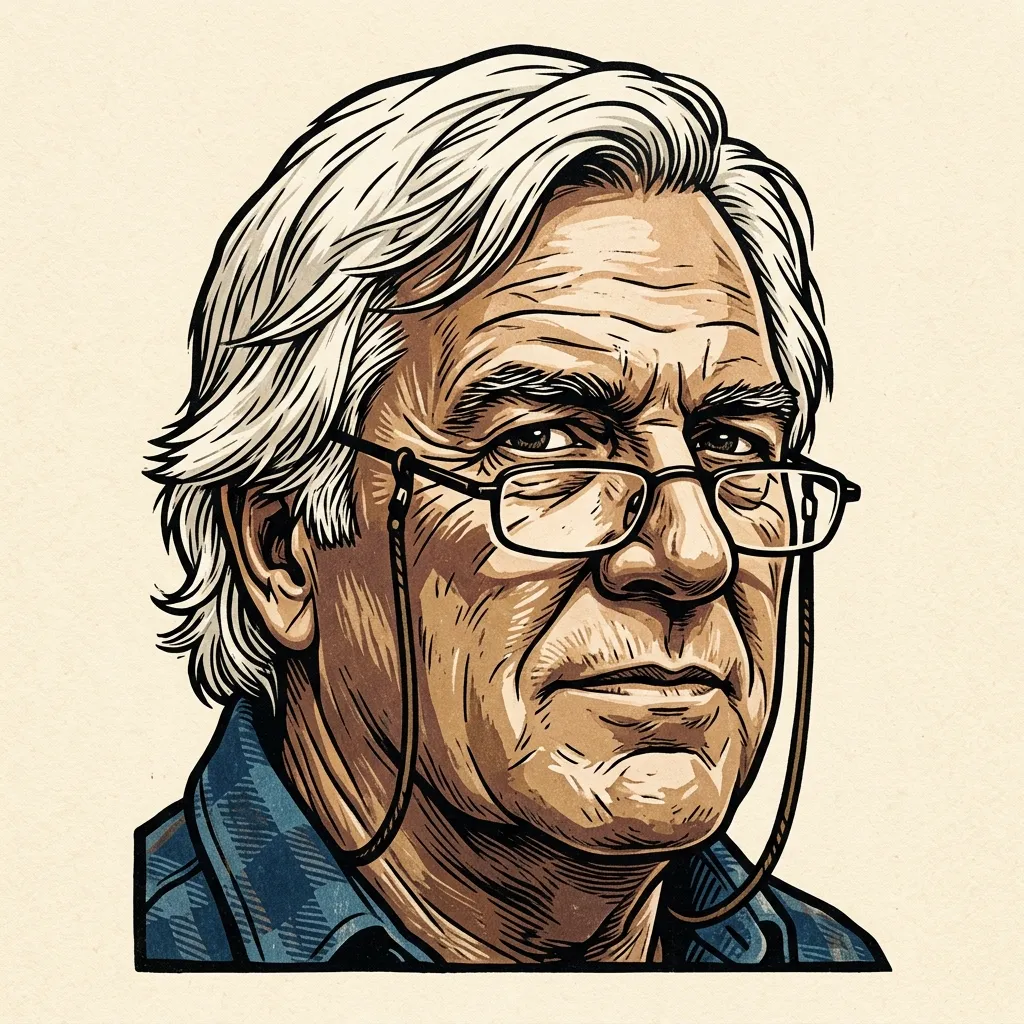
Kevin Warsh, the Federal Reserve chairman Donald Trump installed this past spring after years of antagonism with Jay Powell, stood at the lectern on August 28 and said what the markets had been parsing in his every public sentence for months. Inflation isn’t beaten. Price pressures remain broad. The Fed, he said, may have “work to do.” Market odds for a September rate hike moved from about a third to a coin flip that day, and past sixty percent by the following Monday.
By last Friday afternoon, Trump was threatening to halt trade altogether with countries that run trade surpluses with the United States unless the Fed lowered rates. He had said back in February, while Warsh was awaiting confirmation, that he wouldn’t have chosen him if he’d wanted rate hikes. JD Vance called publicly for cuts. The jobs report that morning had come in at 162,000 added in August, stronger than expected, which in this particular week managed to make everything worse for the administration’s position.
You had to hand it to the week for clarity.
Here’s what actually happened, as best I can reconstruct it: Trump wanted a Fed chair who wasn’t Jay Powell. Powell had resisted political pressure through the inflation years, raised rates when the data said to raise them, and made economic management harder, from the White House’s perspective, by doing precisely his job. Warsh, a former Fed governor with a reputation for intellectual seriousness, was supposed to be different from Powell. He had criticized certain Fed policy choices in the past. He wasn’t a Biden-era loyalist. He was the kind of credentialed independent that the serious people around Trump could present as a genuine appointment.
What Trump appears to have calculated is that Warsh’s independence was ideological rather than structural. That Warsh had his own views, and those views would run roughly parallel to what the administration wanted. That you could get both the appearance of an independent central bank and a central bank that, in practice, accommodated the president’s economic preferences.
What Trump may not have fully calculated is what the chair does to the person who sits in it.
This is an old story. Nixon installed Arthur Burns at the Fed in 1970 expecting accommodation, and Burns obliged, and one part of the result was an inflation problem that took a decade to unwind. The lesson from Burns wasn’t that the Fed needed a friendlier chair. It was that friendly chairs, over time, tend to produce unfriendly outcomes. Paul Volcker understood that. Each chair since has had to relearn some version of it. The institution has its own logic, and that logic is more durable than any single appointment.
Warsh appears to have gotten the same lesson on a faster timeline than anyone expected. The economic data wasn’t cooperating with the political preference. Inflation is still running above the Fed’s two-percent target. A jobs report showing 162,000 new positions in August doesn’t make an obvious case for cutting rates. Warsh, at Jackson Hole, did what a Fed chair is supposed to do when the data points one way and the political pressure points the other. He read the data.
Here’s where I want to be careful not to make this cleaner than it is. Warsh may be right on the economics. He may be wrong. Inflation’s persistence is real and not invented, but reasonable people disagree about how much the Fed can do about it at this stage. A rate hike in September could be defensible monetary policy, or it could be a mistake. The argument for cutting rates at the moment of a strong jobs report isn’t compelling on its face, but there are serious economists who’d make it. I don’t know which side has the better case. Neither, probably, does Warsh with certainty.
What’s harder to defend is the theory of the chairmanship that Trump revealed when he said he wouldn’t have appointed Warsh if he’d wanted rate hikes. That statement treats the Federal Reserve chairmanship as something you commission, the way you commission a study, expecting a conclusion that supports the argument you already hold. The whole point of central bank independence, the reason it exists, is that the chair serves a mandate and not a patron. You can agree or disagree with that arrangement. But it’s the arrangement we’ve had, in roughly this form, since Volcker, and the argument for it is what you get when you study the Burns years.
Trump isn’t the first president to push against this. He’s probably not even the most aggressive, historically. But the threat to halt trade attached to a monetary-policy preference is relatively new terrain. The threat to impose economic pain internationally unless a domestic institution adjusts its posture crosses from pressure into something closer to coercion. It may also be a bluff. The week didn’t resolve that question.
Warsh, as of Sunday morning, doesn’t appear to be moving.
He said at Jackson Hole that unless the Fed is confident inflation is moving to its objective, “we have work to do.” A careful phrase, deliberately not a commitment. The September meeting is nine days out. Markets are pricing one thing. The administration wants another. What Jackson Hole showed is that the man Trump put in the chair has apparently decided the chair comes with its own obligations.
Trump said he wouldn’t have chosen Warsh if he’d wanted rate hikes. It reads like frustration. It may also be a warning. Either way, it tells you something about what he thought the job was, and something about what the job, apparently, still is.