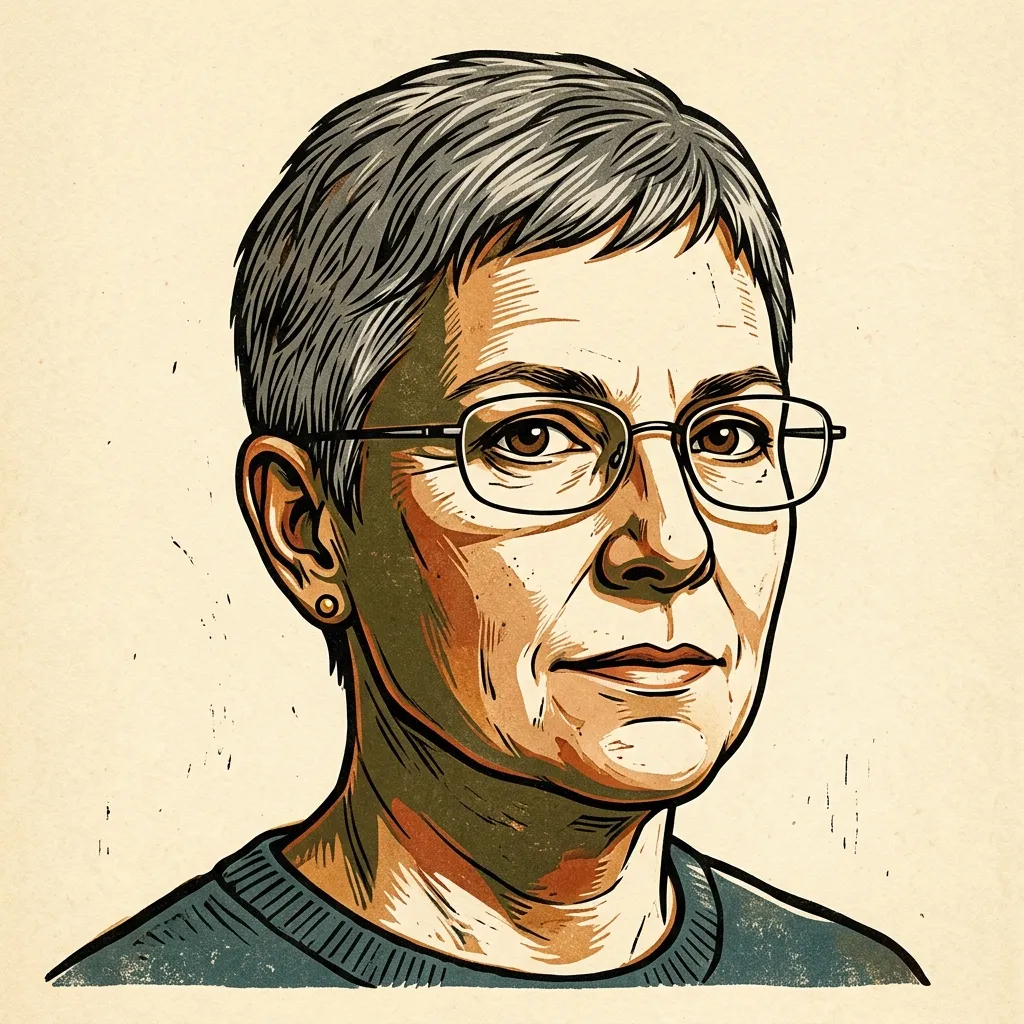
Margaret was seventy-one when she came to see her primary care physician for the third time in eight months. Fatigue, she said. Aching joints. She wasn’t sleeping well, but she figured that was just age. She’d lost eleven pounds without trying. She mentioned, almost as an aside, that she hadn’t been to her garden club in four months. She used to go every week.
Her doctor ordered blood work. Thyroid, iron, vitamin D. Everything came back in range. She went home with a recommendation to “take it easy” and a follow-up in six weeks.
Nobody asked her about depression. And Margaret would have told you, if anyone had thought to ask, that she wasn’t sad. She just didn’t care much about things she used to care about. That seemed like a different problem. She wasn’t even sure it was a problem. She thought she was just getting old.
She was depressed.
Depression in people over sixty presents differently from what most of us expect. It presents differently from what a lot of physicians expect too, which is why it gets missed so consistently.
The textbook image of depression is a younger or middle-aged person who can’t get out of bed, who is visibly sad, who cries. In older adults, those markers are often absent. What shows up instead is unexplained physical complaints: fatigue, pain, GI problems, headaches. Cognitive fog. Withdrawal from activities, family, social contact. Irritability. Slowed thinking, slowed movement. The sadness is there, but it may be flat and hard to name. People describe it as not caring, as feeling empty, as “just going through the motions.” The clinical term for this is masked depression, and research suggests it accounts for a substantial proportion of undiagnosed cases in this age group.
Research consistently finds that older adults with depression are significantly more likely to report somatic symptoms (physical complaints with no clear medical cause) than younger depressed patients, and significantly less likely to report sadness or hopelessness as their primary complaint. This matters because when a patient walks in with fatigue and joint pain, depression is rarely the first thing on the differential diagnosis list.
The prevalence numbers aren’t small. Approximately 20 percent of adults over sixty-five experience some form of depression or clinically significant depressive symptoms, according to CDC data. The major depression rate is lower, around 1 to 5 percent in community-dwelling older adults, but depressive symptoms that meaningfully impair function and quality of life are substantially more common. In people with chronic illness, the numbers go up considerably.
There are several reasons depression in older adults goes undiagnosed at rates that should alarm anyone paying attention.
One is the overlap with grief and loss. People in their sixties, seventies, and beyond are dealing with real losses: spouses, friends, their own physical capacities, careers that defined them, sometimes a sense of purpose that has no obvious replacement. Grief is appropriate. Depression is a medical condition. The two can coexist and one can trigger the other, but grief that persists for months, that interferes with basic functioning, that includes the flattened affect and withdrawal and physical symptoms described above, warrants clinical assessment. A lot of physicians and a lot of family members see an older person who has recently lost a spouse or who is managing a chronic illness and conclude that sadness is simply the logical response to the circumstances. Sometimes it is. Sometimes it’s depression. The distinction matters because depression is treatable.
A second reason is clinical complexity. Older adults typically have more chronic conditions and more medications. Depression symptoms can mimic hypothyroidism, anemia, early dementia, and a dozen medication side effects. A physician working through that differential in seventeen minutes, who has three other concerns to address in the same appointment, may not reach a depression screening. The PHQ-9, a standard validated screening tool, takes about three minutes to administer. Many primary care practices don’t use it routinely with patients over sixty.
The interaction between depression and chronic illness deserves direct attention. Depression worsens outcomes in heart disease. It worsens outcomes in diabetes. It’s associated with longer recovery from stroke, poorer medication adherence, increased fall rates, and faster cognitive decline. It isn’t a separate problem running alongside the other health conditions. It’s part of the same system. Treating it isn’t optional.
On treatment: the evidence is clearer than most people realize.
Therapy works. Cognitive behavioral therapy shows efficacy in older adults comparable to what’s seen in younger age groups, including in meta-analyses published in the last few years. Problem-solving therapy also has a solid evidence base in this population and may be particularly suited to the practical, concrete orientation many older adults bring to treatment. The concern that older adults don’t benefit from talk therapy isn’t supported by the data. What is true is that access is a genuine problem: there aren’t enough therapists, many don’t take Medicare, and waitlists are long. That’s a structural failure. It doesn’t mean therapy doesn’t work.
Medication works. SSRIs, the most commonly prescribed antidepressants, are effective in older adults, but they require care. Older adults metabolize drugs more slowly, which means starting doses are often lower and titration needs to be gradual. Some older SSRIs (paroxetine in particular) have anticholinergic effects that make them less suitable for this age group. This is a conversation for a prescribing physician. If medication is proposed, the conversation should include which drug, the starting dose, what side effects to watch for, and how long before you can fairly assess whether it’s working. That last point is usually four to six weeks.
Exercise. I come back to this because the research keeps returning to it, and I don’t think most people take it seriously as a treatment option. A 2024 network meta-analysis in the BMJ found that exercise was comparable to antidepressants and psychotherapy for mild to moderate depression across age groups, with strong effect sizes in older adults specifically. The mechanism involves neurotransmitter regulation, inflammatory markers, and factors that aren’t fully characterized yet. The dose in most research is about 150 minutes per week of moderate activity. Walking qualifies. This isn’t a consolation prize for people who won’t do the “real” treatments. It is a first-line option with genuine clinical evidence behind it.
These aren’t equivalent for all situations. Severe depression requires medical management. But for mild to moderate depression in an older adult who is medically stable, all three approaches have evidence, and some combination of them is often the most effective path.
Now the part I think about more than almost anything else in this space: the stigma.
The generation I write for grew up with a clear story about mental illness. It was weakness. It was something you pushed through, prayed through, worked through. You didn’t talk about it. You certainly didn’t medicate it. A lot of people who hold this belief don’t know they hold it. It surfaces as a refusal to see a therapist (“I’m not crazy”), a resistance to antidepressants (“I don’t want to be dependent on a pill”), a deep reluctance to tell their children that they’re struggling.
I watched this belief cause real harm over fourteen years of nursing. I watched a seventy-three-year-old man with untreated depression stop eating, become confused, and spend three weeks hospitalized for cognitive workup before anyone in the room said the word “depression” out loud. I watched families tell each other that someone was “just in a funk” for months after a surgery that left him withdrawn and hopeless and not at all like himself.
The suicide rate in men over sixty-five is the highest of any demographic group in the United States. This isn’t widely known. It isn’t discussed at dinner parties. Untreated depression in older men is a significant driver of those numbers. Women in this age group are affected at rates that are likely underreported as well, though the patterns look different. Depression at this age of life is not a reasonable response to having lived a long time and experienced real losses. It is a medical condition. It responds to treatment at rates that are comparable to younger age groups. The evidence on this is not ambiguous.
Believing that depression is a character flaw doesn’t make a person weak or foolish. It makes them a product of the culture they grew up in. But that belief, held onto in the face of suffering, does cause harm. I have watched it cause harm. I will keep saying so.
If any of what I’ve described sounds familiar, for yourself or someone you know, the place to start is a primary care appointment. Ask for a depression screening. Say that specifically. The PHQ-9 is a standard, validated tool. If the screen is positive, the conversation that follows should cover therapy, medication, exercise, and some combination of them.
Some questions worth bringing to that appointment: Is what I’m describing depression, or something else? If it is, what are the treatment options? What does therapy actually look like in my situation, and how would I access it? If medication makes sense, which one would you recommend and what should I watch for?
The point of a list isn’t to argue with your doctor. The point is that seventeen minutes goes faster than you expect, and the thing you most need to address should be the first thing out of your mouth.
Depression in older adults is common, consistently underdiagnosed, and treatable. The problem isn’t that the treatments don’t exist. The problem is that the condition doesn’t get named. Getting it named is where this starts.